Today I saw Manus's new Cue product. My first thought was not, "Here comes another agent."
It was: AI is finally beginning to receive the keys to the physical world.
AI could already write an email, look up hotels, compare prices, and arrange a convincing plan. But the moment you said:
"Call them and confirm it."
"If it looks right, pay for it."
"I am going to sleep. Keep watching, and book it when a place opens."
The work often stopped.
It was not because the AI lacked intelligence. It lacked its own phone number, email address, payment permissions, and a computer that could keep working.
Cue is trying to supply that missing layer.
For an agent to move from answering to getting things done, it may need less another ten percent of intelligence than identity, tools, permissions, and clear boundaries of responsibility.
What Matters Is Not “Another Chat Tool”
Cue is a standalone app introduced by Manus alongside Manus 2.0. Built for personal agents, it supports both phones and desktops.
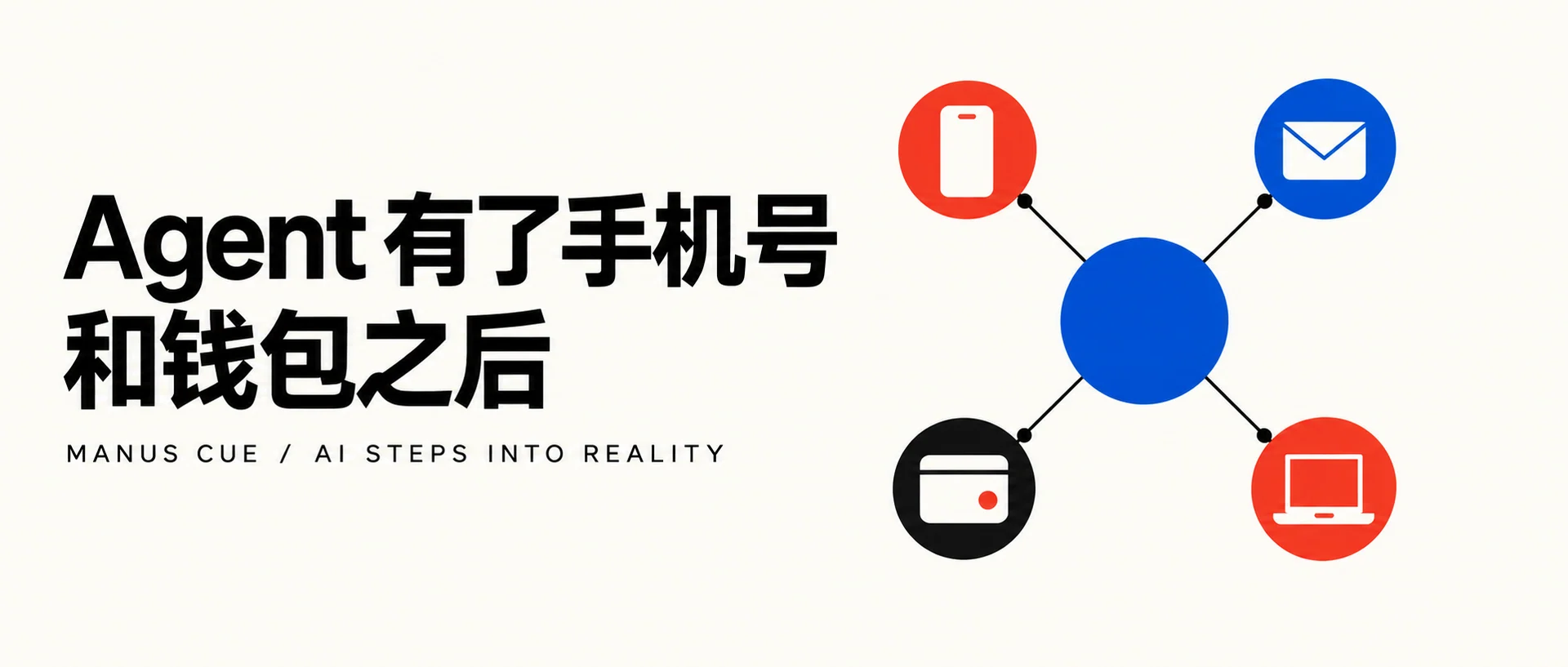
Its most striking premise is that every agent can have its own email address, phone number, wallet, and computer.
That lets it make and receive calls or send messages from its own number; send and receive email from its own address; pay within the budget and permissions you set; and keep performing tasks inside its own work environment.
Forward a hotel call to it, and it can answer and leave you a summary. Go to sleep, and it can keep watching for tickets, organizing research, or waiting for an opening.
One distinction matters. The official language says “wallet” and payments “within permissions you control.” It does not mean an agent receives an unrestricted personal bank account.
Even with that boundary, this is a significant step.
Until now, what we mostly gave AI was knowledge. Now we are beginning to give it entrances into the physical world.
A Phone Number Changes an Agent's “Social Identity”
Internet products often imagine the world as one enormous API: press a button and data flows automatically.
Real life does not work that way.
Hotels require a call to confirm connecting rooms. Clinics call back with examination times. Repair technicians coordinate by text. Some restaurants accept reservations only through a person. Many services have no elegant interface; some barely have a usable website.
Their interface is a phone call, an email, and someone willing to follow the task through.
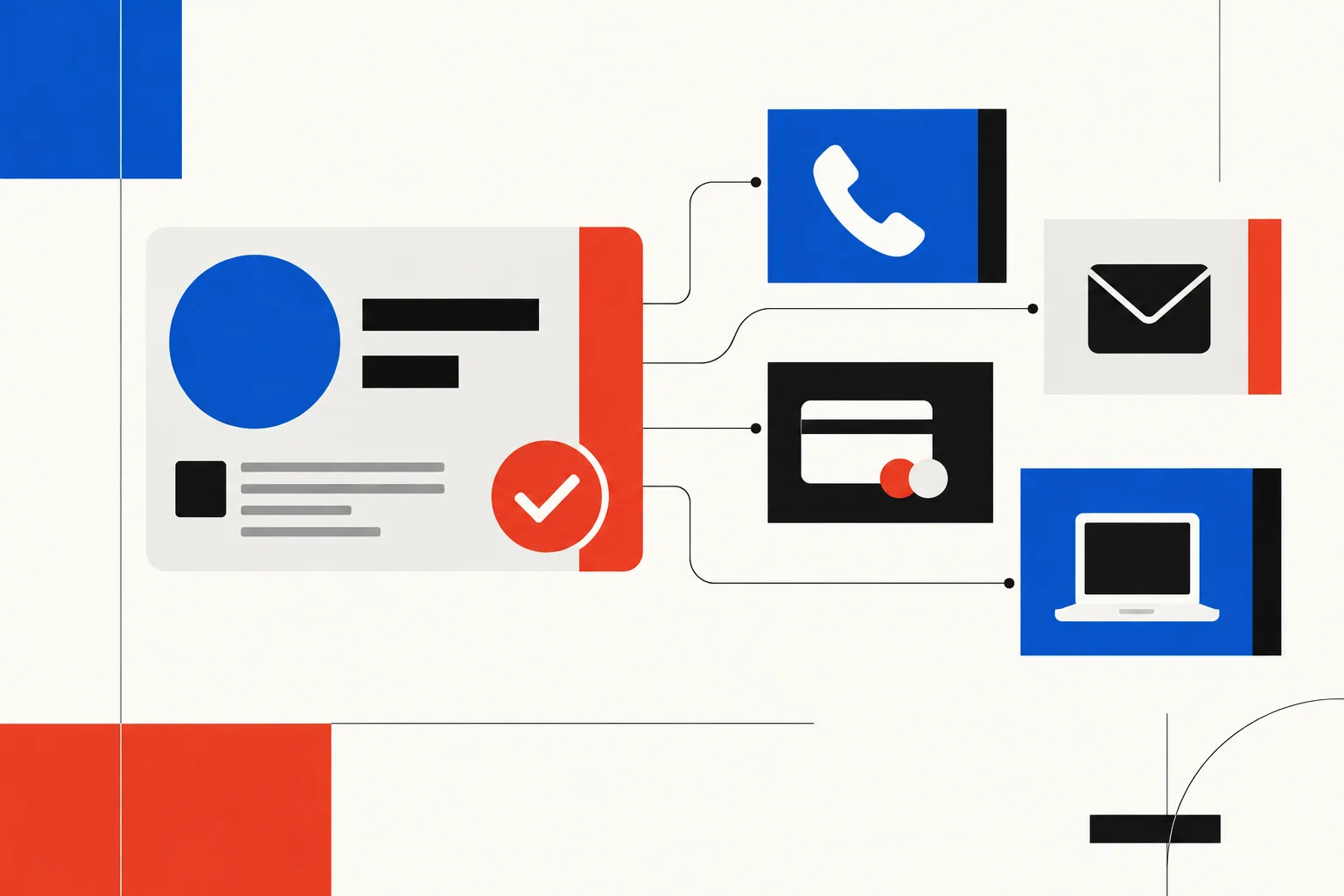
Giving an agent a phone number is therefore more than adding a communications feature. For the first time, an external party can reach the agent through a relatively stable identity, and the agent can contact the outside world on its own.
This suggests a counterintuitive idea:
The more advanced AI becomes, the more it needs to learn to use infrastructure that looks “unadvanced.”
Phones, email, QR codes, and card payments have existed for decades. They may become the fastest route for agents to enter real life.
A Wallet Gives Advice a Chance to Become a Closed Loop
It is easy to ask AI to find three hotels.
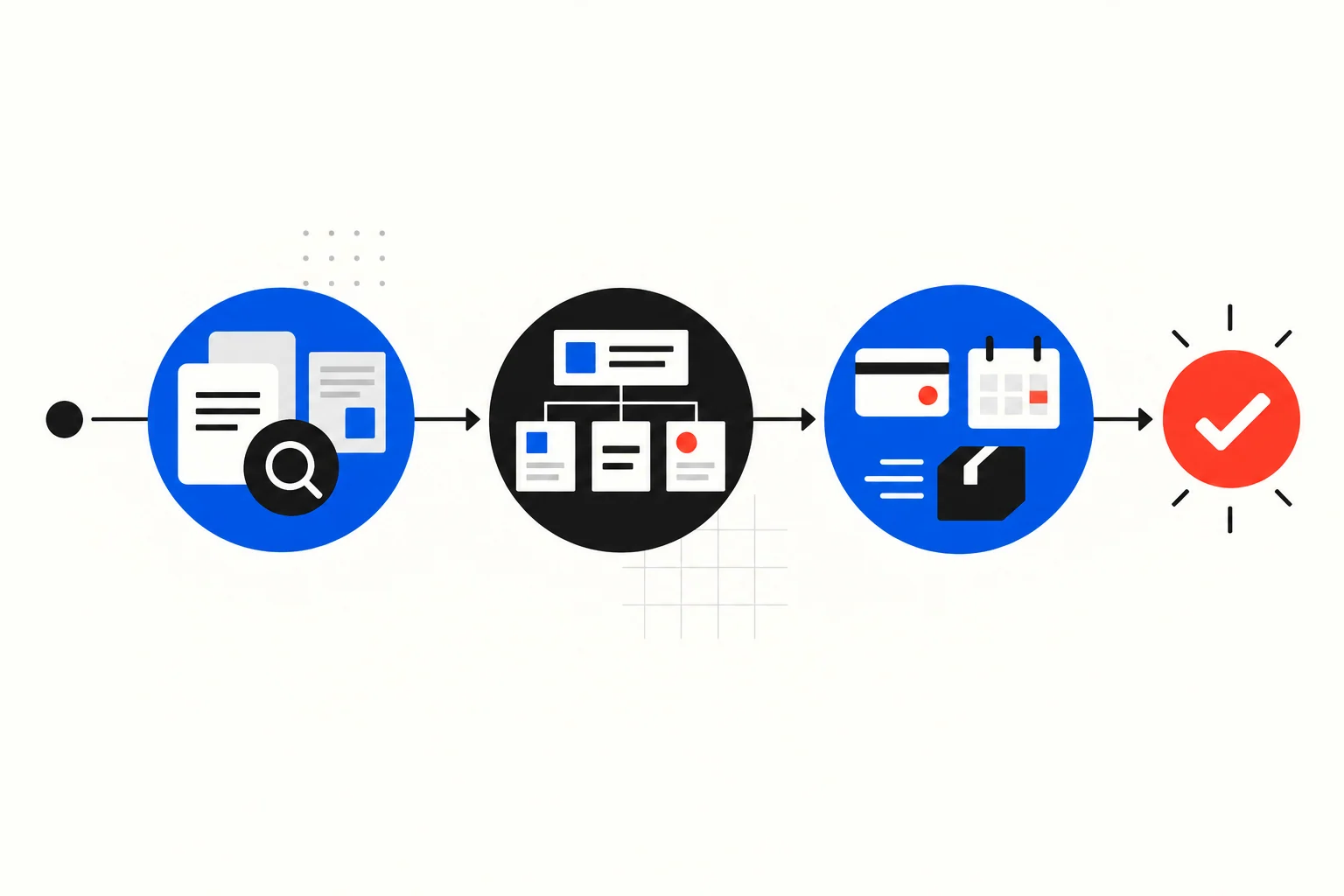
The difficult part begins after choosing one: can it confirm the room type, check the cancellation policy, complete payment, preserve the receipt, and handle a later change to the trip?
Between “Here are three options I recommend” and “It is done; here is the receipt” lies the transaction.
Cue's site gives concrete examples: booking airport parking, finding a hotel, scheduling a repair, buying movie tickets, or continuously monitoring a scarce reservation. It also shows the idea of creating an agent by scanning a QR code: at a restaurant, an agent could help order food or join a queue.
The deeper question is not whether AI can buy me a coffee.
It is this: when an agent can pay within a controlled budget, the internet gains a new kind of consumer—software that acts on behalf of a person.
A product's future user may be a human, or an agent representing a human in completing a task.
The Next Generation of Products Must Begin Designing for Agents
When designing products, we used to ask: is the page clear? Is the button easy to press? Will the user abandon payment?
Now we need another layer of questions: Can an agent understand, call, confirm, and complete the service?
An agent-friendly service needs at least:
- clear, stable, machine-readable prices and availability;
- an authorization mechanism that explains the permission scope;
- confirmation before payment and a receipt afterward;
- queryable task status and complete logs;
- routes for cancellation, refunds, appeals, and human takeover.
This creates new opportunities.
Some companies will build identity and payment infrastructure for agents. Others will reshape restaurants, travel, medical appointments, and support workflows so agents can call them. Still others will design a new experience for businesses when the visitor is an agent.
We created SEO so search engines could understand a website. Next may come AEO—helping an agent understand your service and trust it enough to complete a transaction for the user.
For someone building apps, web experiences, or global products, this introduces another way to think: do not merely build another interface. Provide a capability that an agent can call, combine, and continue executing.
The Real Threshold Moves from “Smart” to “Trustworthy”
If an agent writes the wrong line of copy, you can rewrite it.
If it calls the wrong person, buys the wrong flight, or pays twice, the mistake immediately creates a cost in the physical world.
Once an agent has a phone number and a wallet, the core product questions go beyond whether it can act:
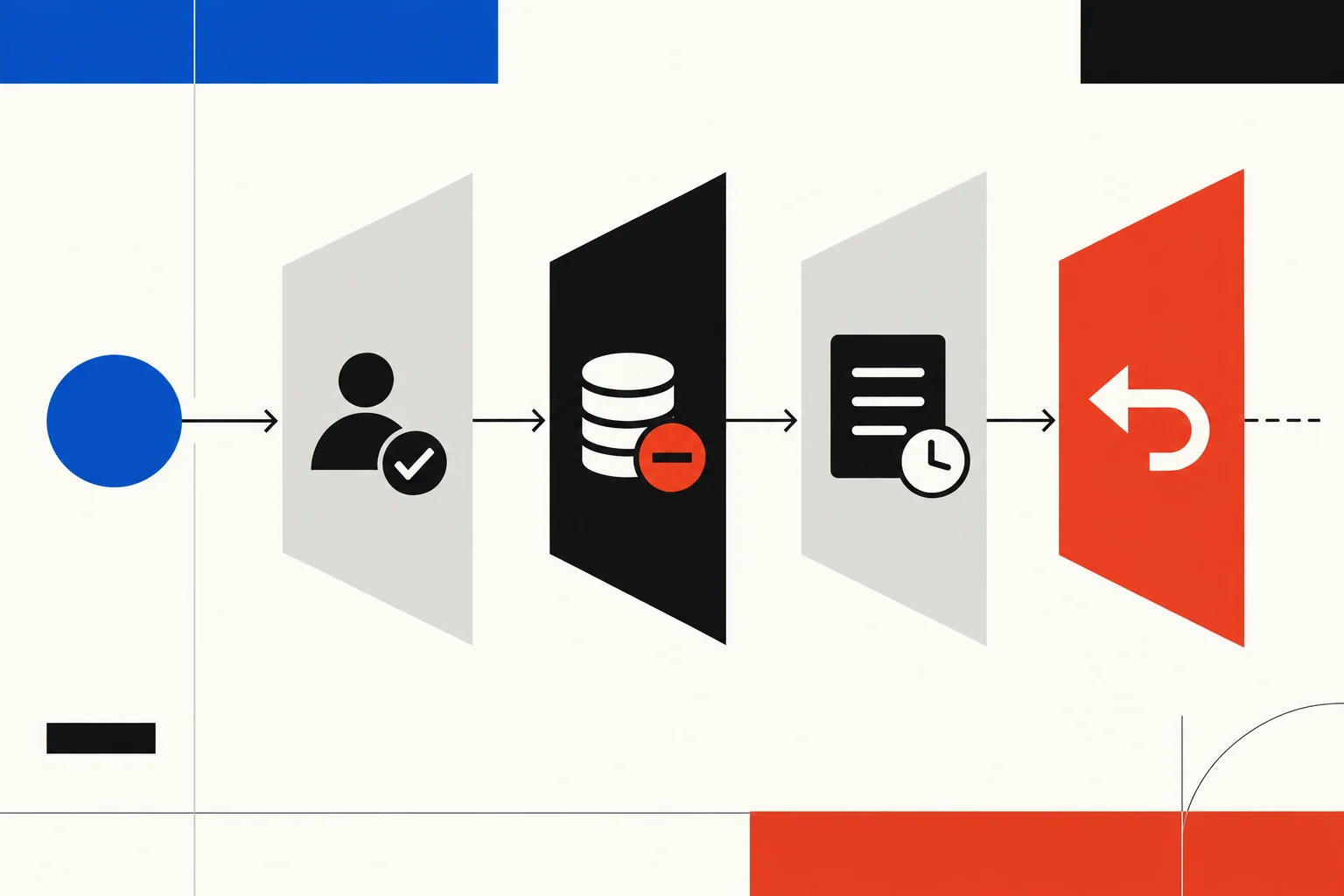
- Which step must a person confirm?
- What is the maximum amount it may spend each time?
- Whom may it contact, and whom may it not contact?
- Can every action be traced completely?
- After an error, can the action be reversed, refunded, or transferred to a person?
Capability determines how far an agent can go. Boundaries determine whether we dare let it leave.
This is what I find most valuable about Cue. It moves the discussion from model benchmarks to identity, authorization, collaboration, transactions, and responsibility.
These questions do not make spectacular demos, but they determine whether an agent can grow from a toy into infrastructure.
Why I Think This Matters So Much
To complete a task spanning calls, email, websites, payments, and follow-up, a person often has to move among five or six apps.
In the future, we may only need to state the objective and bring several agents into one group conversation: one researches, one communicates, one executes, and a person makes the final decision.
That does not mean people can let go completely, nor that every job will be replaced at once.
It is closer to a redistribution of capability. Ordinary people may for the first time have a small team always ready to work. A one-person company may be able to split among agents processes that once required an organization.
I have long been interested in one-person companies and AI products. Cue makes me more certain of one thing: the ceiling of a one-person company will depend not only on how many skills one person has, but on how many reliable agents that person can organize.
The real opportunity may not be another AI that is better at conversation.
It may be redesigning all the things in the physical world that still require calls, emails, waiting, confirmation, and payment before they can be completed.
The illustrations in this article use today's recommendation from Xiazi Style Atlas: Swiss Style / the International Typographic Style. Grids, sans-serif type, and disciplined white space organize the information. The stronger the tool, the more it needs clear order; the freer the agent, the more it needs visible boundaries.
As of September 29, 2026, Cue remained in early access and required an invitation code. The company said its iOS version would be available after App Store review. Its capabilities and availability may continue to change.
---
Sources:
1. Cue: https://cue.im/
2. Manus 2.0: https://manus.im/blog/introducing-manus-2-0
3. Cue video demonstration: https://weixin.qq.com/sph/A5EDX4v64E
4. Xiazi Style Atlas: https://style-atlas.wonderelian.com/