1.2 Million Ideas Are Starting Points to Investigate
What happens if business ideas no longer require hours of staring at a blank page, but can be explored like products in a search engine—filtered by industry, budget, and time?
On October 19, Axios reported on Idealab.ai, a project from Bill Gross, founder of the startup incubator Idealab.[1] That day, the official website displayed roughly 1.2 million business ideas and offered free exploration.[2]
These are not 1.2 million successful companies. They are starting points waiting to be investigated.

Start with News, Research, and Real Complaints
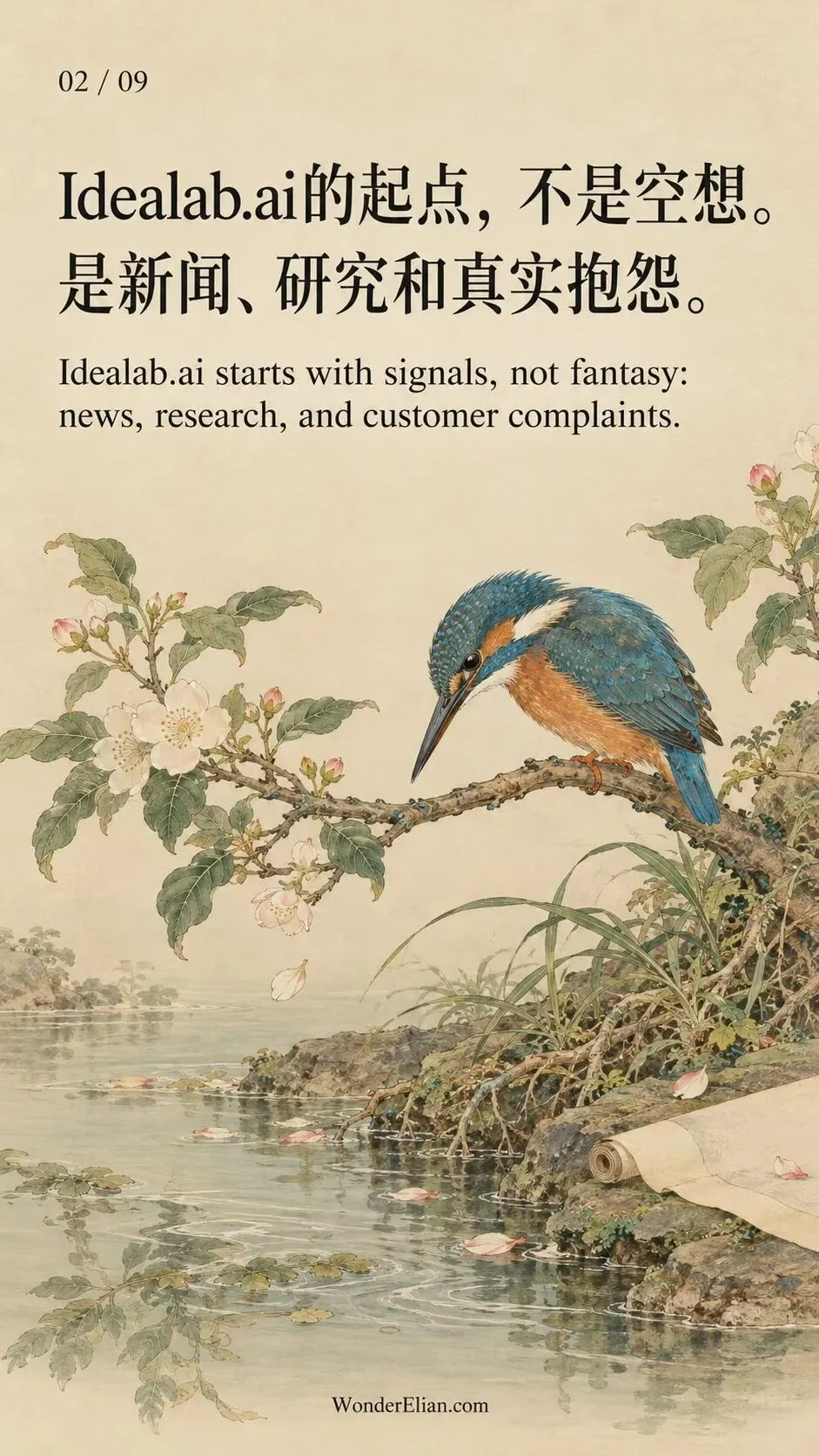
The system is not simply asking AI to “recommend a few ways to make money.” According to the official explanation, it looks for signals in news, research, patents, and customer complaints, then connects information across fields using methods Gross has developed through his work with startups.[3]
That sequence is worth studying: observe where a problem exists before deciding what kind of tool to build.
Consider the Problem, the Capability, and What Has Changed
The system groups signals into three categories: unmet needs, emerging capabilities, and structural changes that alter the conditions of a business.[3]
For example, someone may struggle to judge whether a skincare product suits them. That is a problem. Software that can read ingredient information at low cost is a capability. Changes in industry responsibilities or service models may alter the opportunity. The website uses examples along these lines to explain its three kinds of signal.
The useful lesson is that a new technology does not automatically create a worthwhile business. The problem, the possible solution, and the timing have to be considered together.

An Idea Needs Customers, Costs, and a First Step
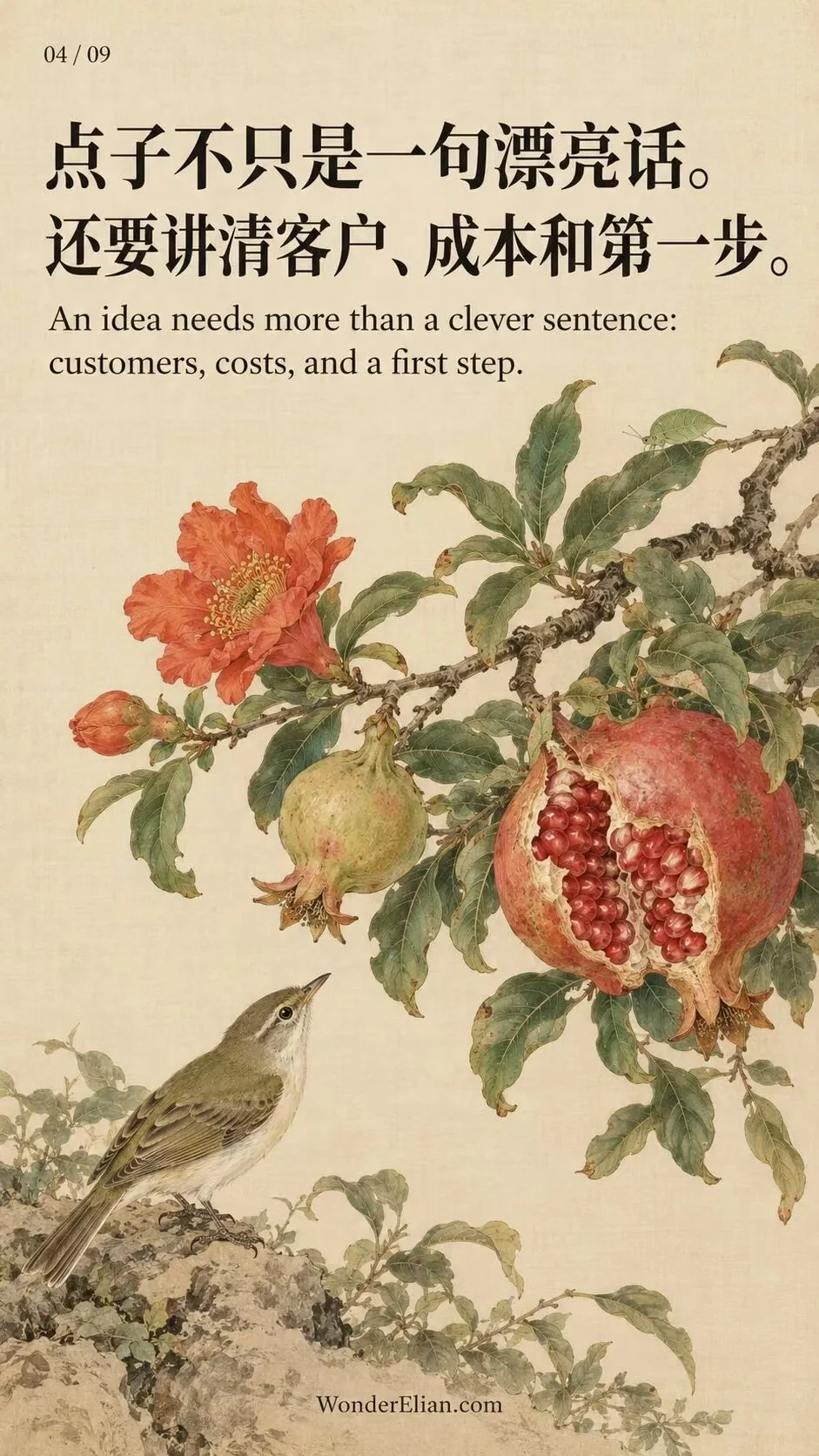
The output is more than a project name. The official explanation says each idea brief can cover startup costs, time to a first customer, competitors, risks, and an action plan for the first 90 days.[3]
A brief like this can help someone ask better questions. It cannot replace validation. Revenue and cost estimates, in particular, still need evidence from the real world, however complete they look on the page.
What Is Free Is a Starting Point
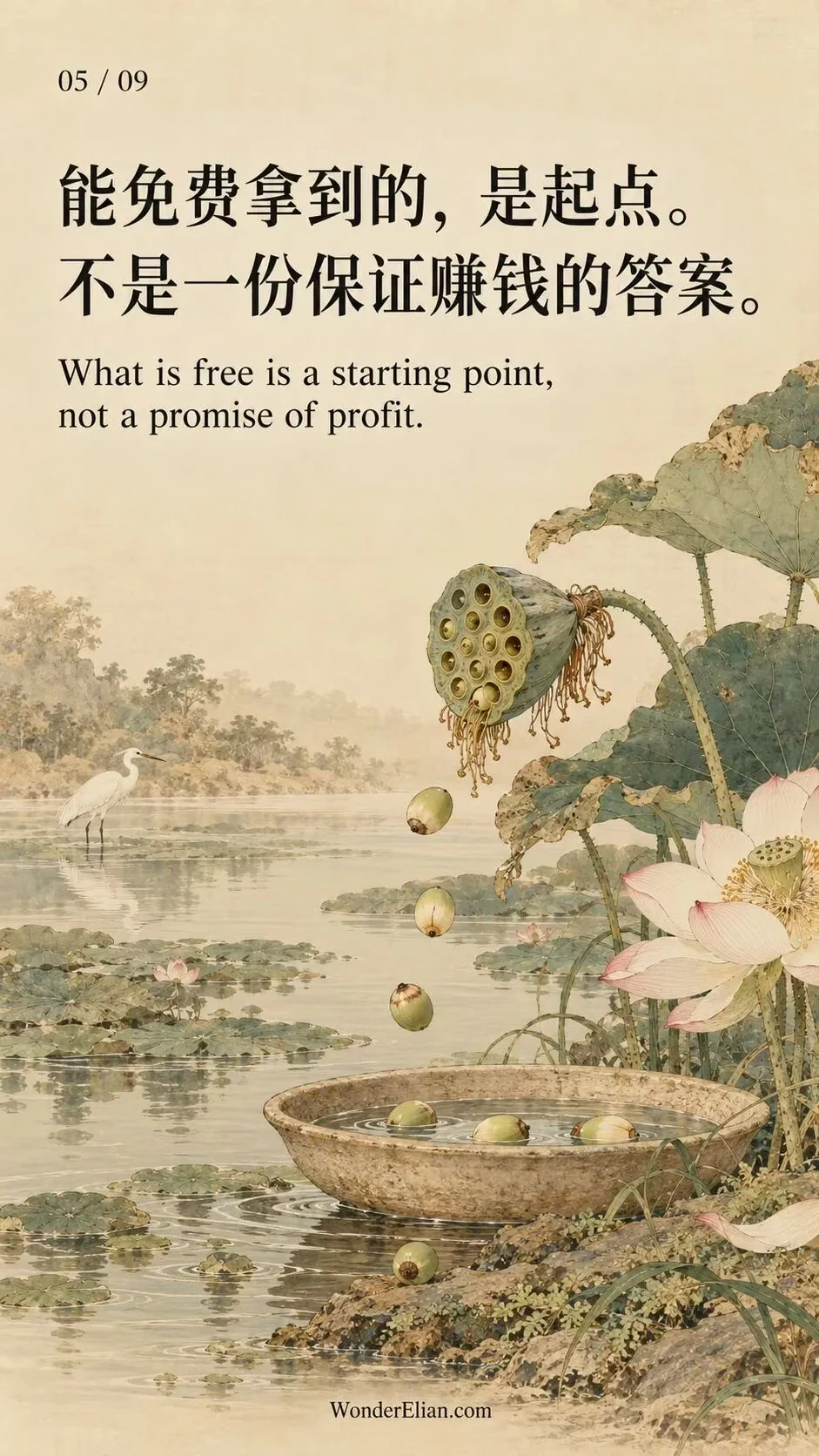
Why give the ideas away? Gross explains on the website that the system generates far more ideas than Idealab can pursue itself, so the public ideas are shared. A person does not have to buy its paid services in order to pursue one.[4]
The website also mentions support involving capital and agent tools that is still being built. The public pages do not establish the specific fees, revenue structure, or profitability. A proposed future ecosystem should not be described as a business model that has already been proven.
The Same Opportunity Does Not Fit Everyone
The service also tries to address a more personal question: is this right for me? Its search entry allows someone to describe their expertise or an existing idea, then narrow the results by industry, starting capital, and time to market.[2]
A person who can reach industry customers begins in a different position from a developer with only a few spare hours each week. Even a large opportunity may be a poor fit right now if the relevant customers are out of reach.

AI Offers a Hypothesis; Customers Decide Whether to Pay
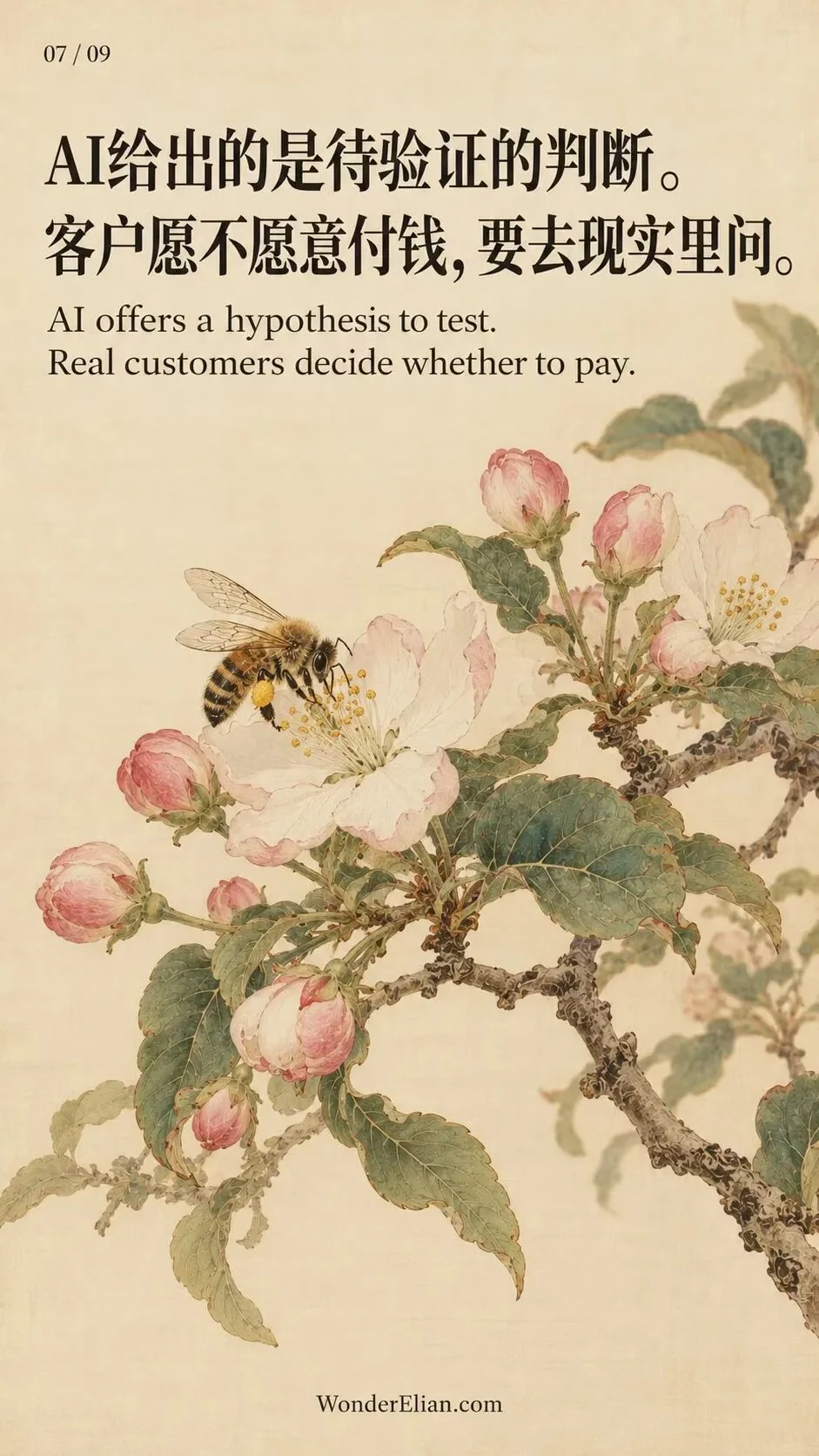
Two things need to remain separate. AI can help someone form a hypothesis faster. Customers are the ones who reveal whether that hypothesis has value.
“Many people complain about this” does not mean “many people will pay for a solution.” “This can be automated” does not mean “this deserves a standalone product.” Complaints and technical possibilities are useful signals. Interviews, trials, and real transactions are needed to test the business behind them.
Give One Small Test a Clear Outcome
For a solo company, collecting a hundred directions at once may be less useful than choosing one problem. Find a few target users—ideally including yourself—and learn how they solve it today, which part causes the most trouble, and what the smallest useful test might be.
This is my judgment drawn from the case, not a promise about Idealab.ai’s results. The more a tool expands our options, the more we need to decide what to leave undone for now.

What to Build and for Whom Remains Your Call
What makes Idealab.ai interesting is its attempt to turn opportunity discovery into a process that can be searched, compared, and questioned. It lowers the barrier to beginning the thought process. It does not remove the difficulty of doing business.
As ideas become easier to obtain, the scarce resource for a solo company may no longer be inspiration. It may be an understanding of a specific problem and the patience to let reality test one small judgment.

This series uses the Song-dynasty court bird-and-flower painting style recommended by Xiazi Style Atlas. All nine bilingual posters are AI-generated artworks. Platform counts, features, and free-access arrangements reflect official statements on public pages observed for the source essay on October 19, 2026. This essay has not verified the commercial performance of those ideas and offers no guarantee of returns.
Sources
- Axios: Bill Gross’s AI startup platform, October 19, 2026
- Idealab.ai website and search entry. The source essay observed public pages only and did not submit a startup project.
- Idealab.ai: How it works
- Idealab.ai: Why it’s free